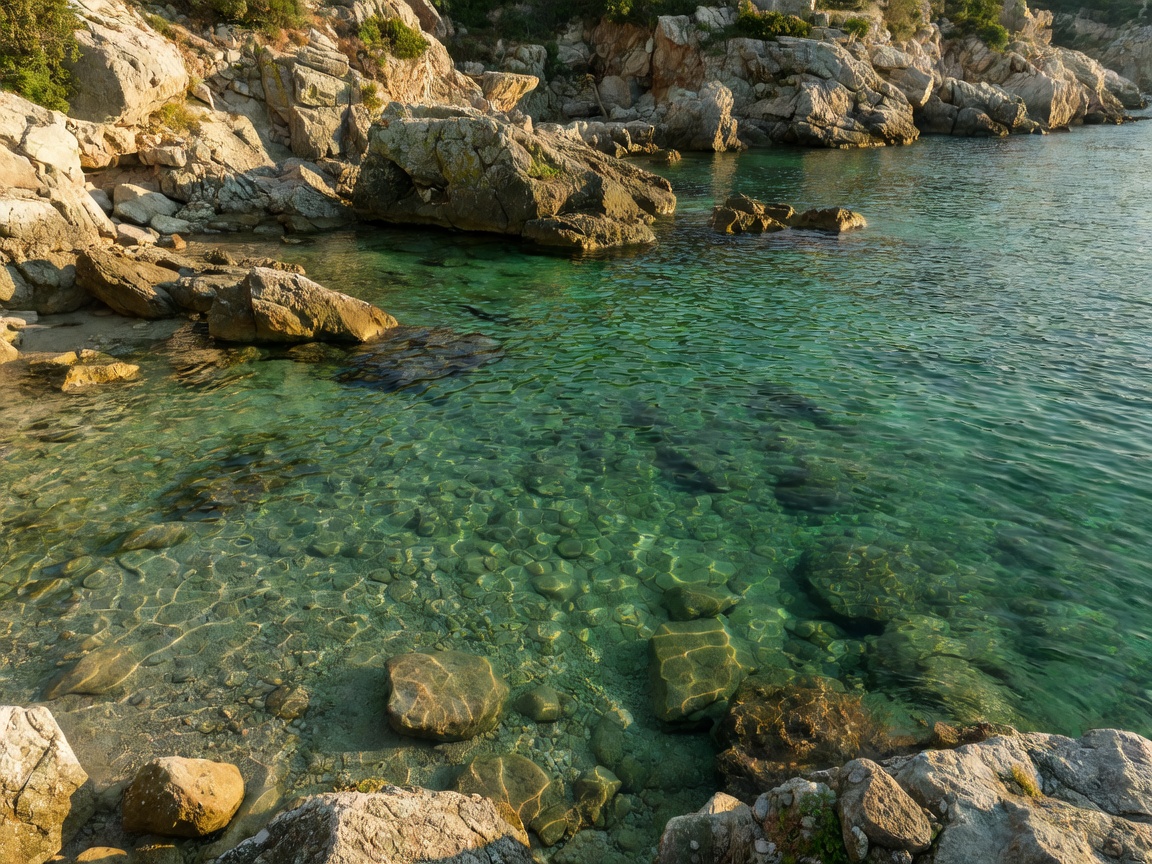
The Dual Faces of Mount Pelion
Curving like a protective arm around the calm Pagasetic Gulf, the Pelion peninsula represents one of the most ecologically diverse corners of mainland Greece. In Greek classical mythology, this heavily forested mountain range was celebrated as the summer home of the Olympian gods and the legendary realm of Chiron the Centaur, mentor to Achilles and Asclepius.
The peninsula's microclimates divide into two distinct coastlines:
- The Pagasetic Inner Coast: Gentle, sheltered waters lined with small olive groves and family-run fishing villages like Afissos and Milina.
- The Eastern Aegean Coast: Sheer mountain cliffs tumbling directly into deep, wave-sculpted sea caves and pristine pebble bays, including Mylopotamos, Fakistra, and Damouchari.
Pelion Architecture: Fortified Mansions and Slate Roofs
During the seventeenth and eighteenth centuries, Pelion prospered as a center of silk manufacturing and Aegean maritime trade. This mercantile wealth gave rise to a regional architectural style known as the Pelion Mansion (archontiko). Built across three storeys, these residences combine heavy defensive ground floors constructed from local green schist stone with light, timber-framed upper floors (sachnisi) cantilevered out over the street to catch summer breezes.
Villages such as Makrinitsa, Tsagarada, and Milies preserve grand central squares shaded by plane trees hundreds of years old. Tsagarada features an ancient plane tree in its central Agia Paraskevi square with a trunk circumference exceeding fourteen meters, estimated by dendrologists to be over one thousand years old.
"The narrow-gauge Pelion Railway ('Moutzouris'), engineered by Italian designer Evaristo de Chirico in the late nineteenth century, still traverses stone arched bridges and olive-lined gorges between Ano Lechonia and Milies."
The Kalderimi Network and Coastal Descents
Before the construction of modern asphalt roads in the mid-twentieth century, the sole conduits between mountain villages and coastal ports were stone-paved mule tracks called kalderimia. Maintained by village communities, these paths are graded specifically to allow pack animals to carry baskets of chestnuts, apples, and olives down steep gradients without losing footing.
Today, these restored pathways provide hikers with world-class descents. The hike from Tsagarada through beech forests down to the tiny natural stone harbour of Damouchari offers an immersion in damp Mediterranean ferns, walnut trees, and crystalline spring streams before opening abruptly to Aegean turquoise waters.
Logistical Field Assessment
Pelion is a year-round destination—serving as a ski center in winter at Chania and a coastal retreat in summer—requiring balanced itinerary planning.
Expedition Strengths
- Unique coexistence of lush alpine forest and direct sea access.
- Historic narrow-gauge heritage rail excursions.
- Four-season appeal with high-altitude hiking and autumn foliage.
- Excellent mountain cuisine featuring local wild greens and fruits.
Planning Complexities
- Eastern coastal roads feature sharp switchbacks with slow transit times.
- Beaches on the eastern coast can experience dangerous wave conditions during northeast gales.
- Parking inside historic pedestrian villages is restricted to outside lots.
- Winter mountain passes can require snow chains during January snowfalls.
Regional Flavor: Spetsofai, Apples, and Tsipouro
Pelion's mountain water abundance supports agricultural outputs distinct from the dry southern islands. The high village of Zagora is renowned for its protected designation Firiki apples and sweet chestnuts. Tavern tables specialize in spetsofai—a hearty stew of rustic local pork and beef country sausage simmered with sweet and spicy green peppers, aubergines, and tomatoes. In the port of Volos at the base of the peninsula, culinary life revolves around traditional tsipouradika: taverns serving small carafes of unaged grape pomace brandy accompanied by spontaneous small plates (mezedes) that evolve with every order.